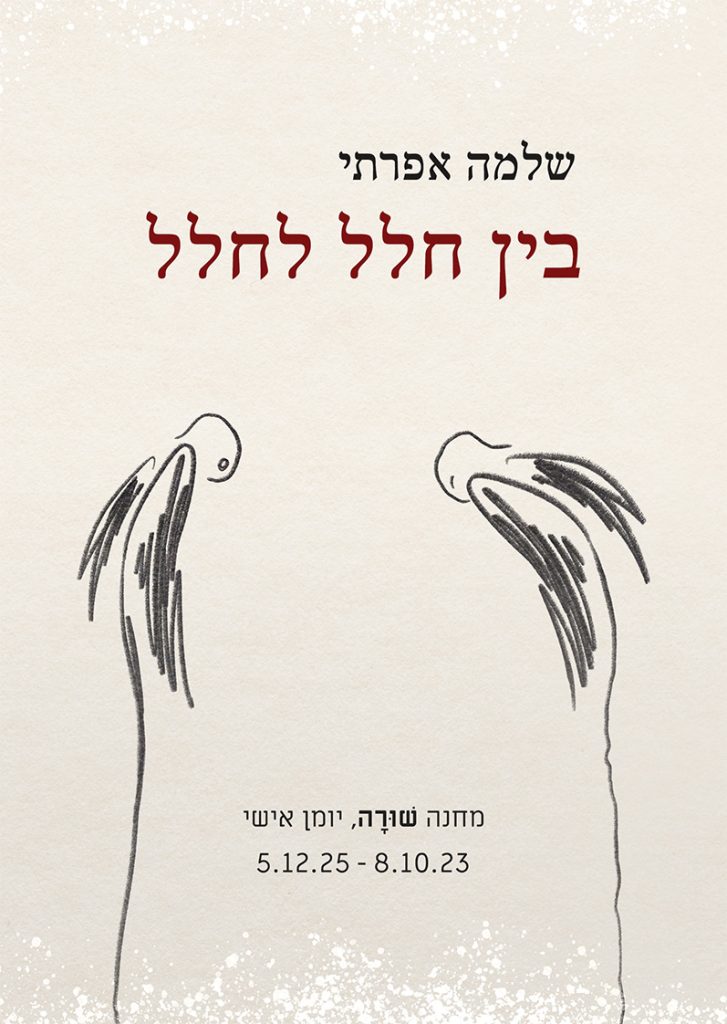
Voices from Camp Shura is a singular and complex book. At times harrowing and almost unbearable in its descriptions, it is also remarkably delicate, deeply personal and, above all, profoundly human.
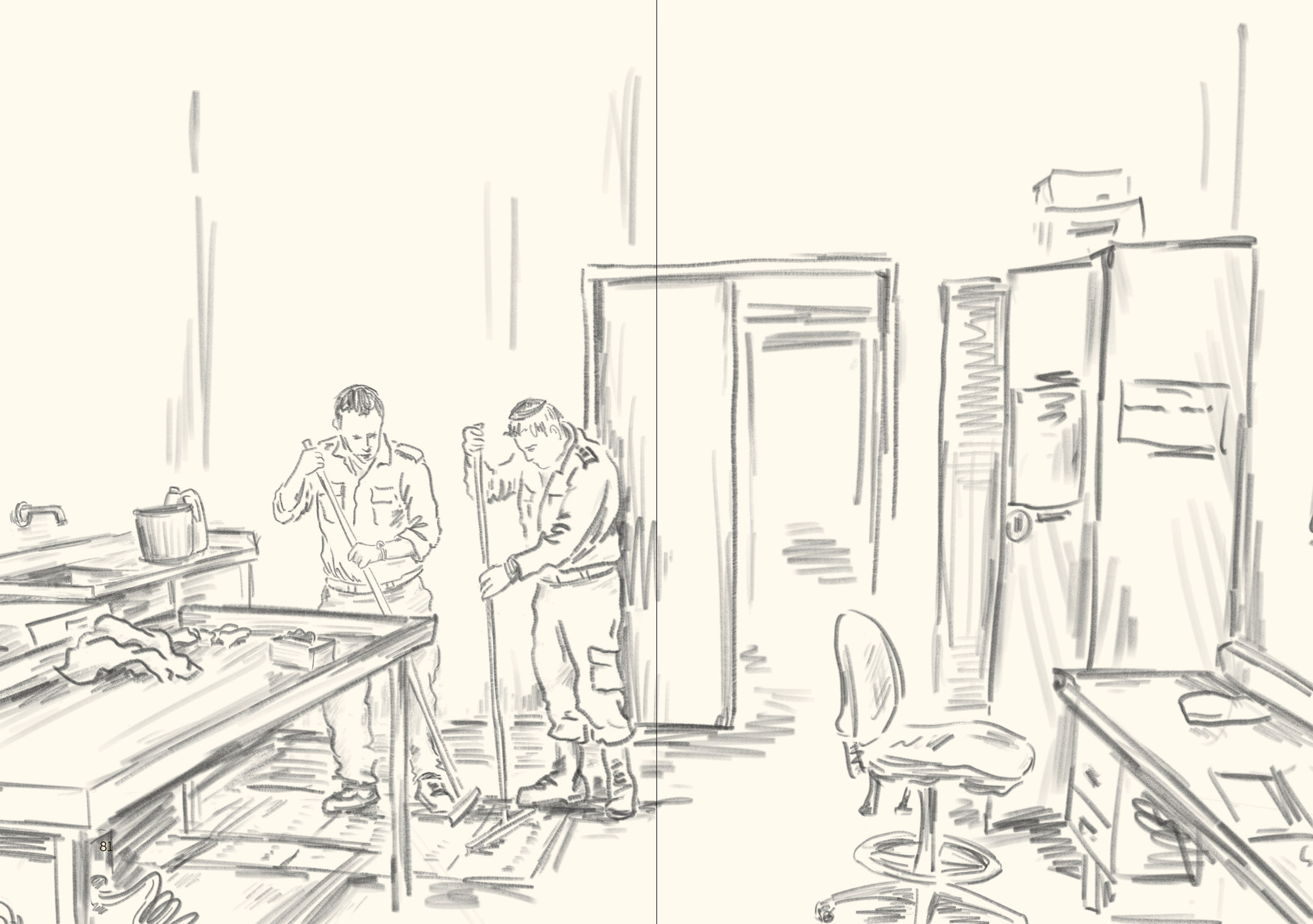
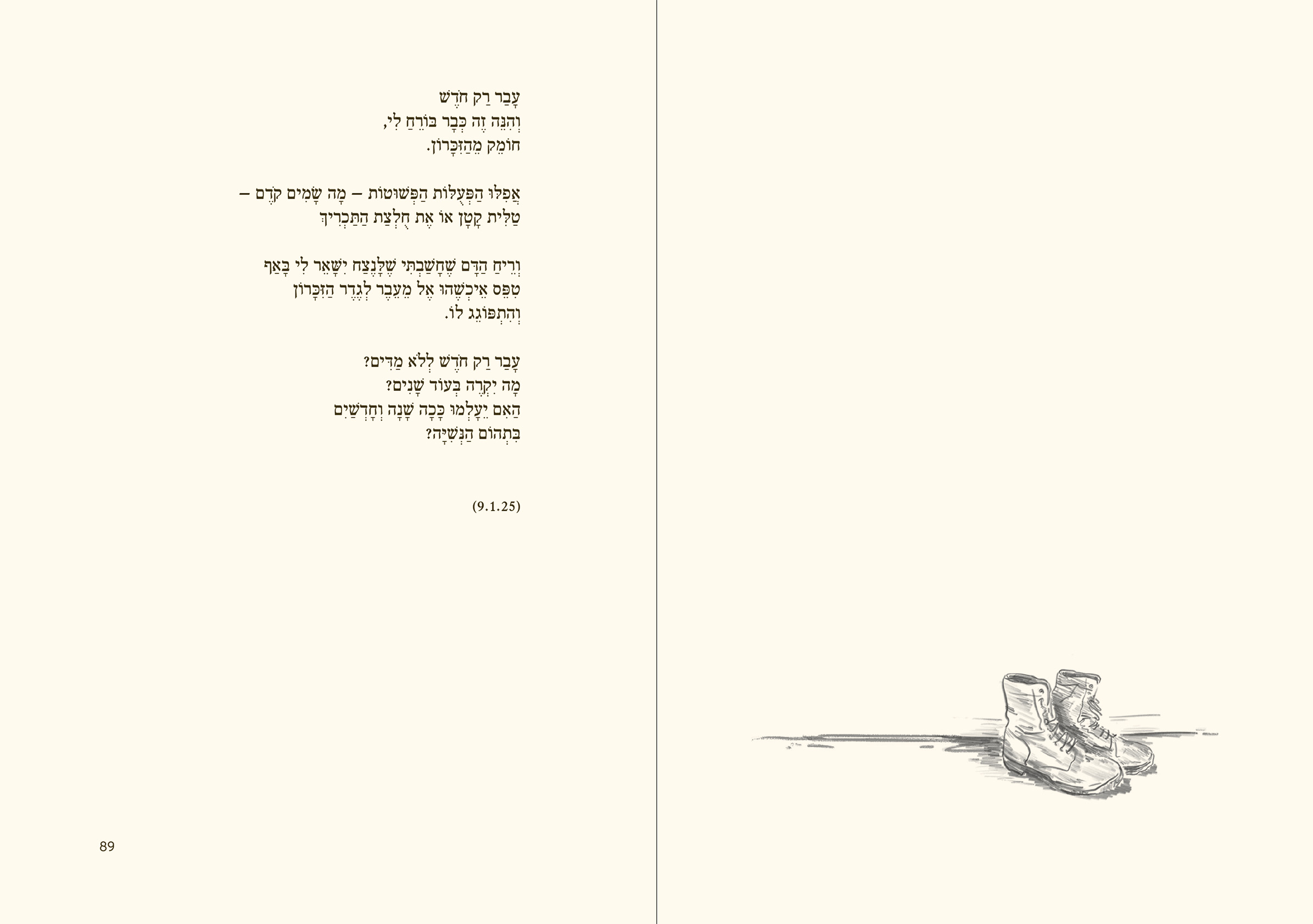
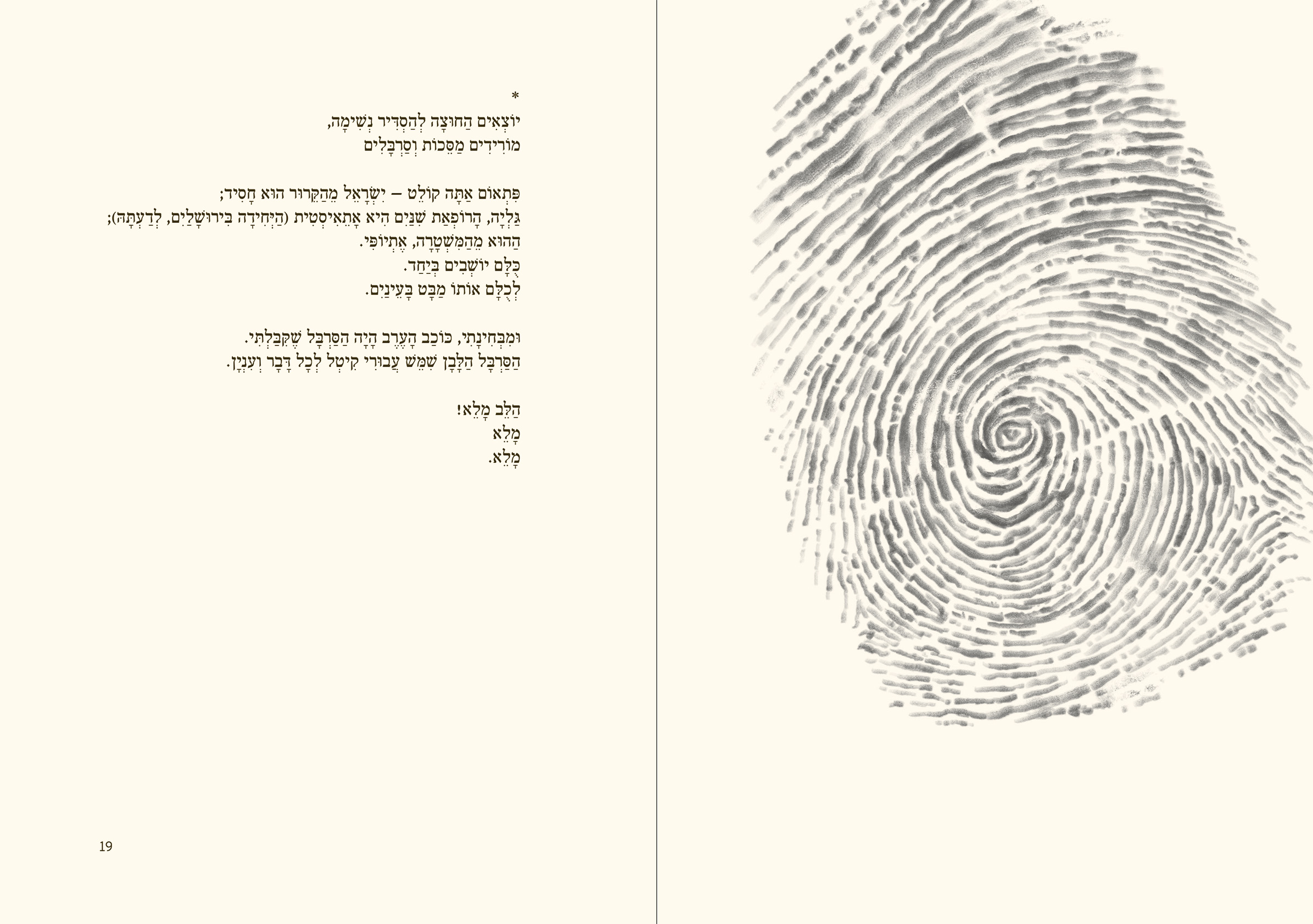
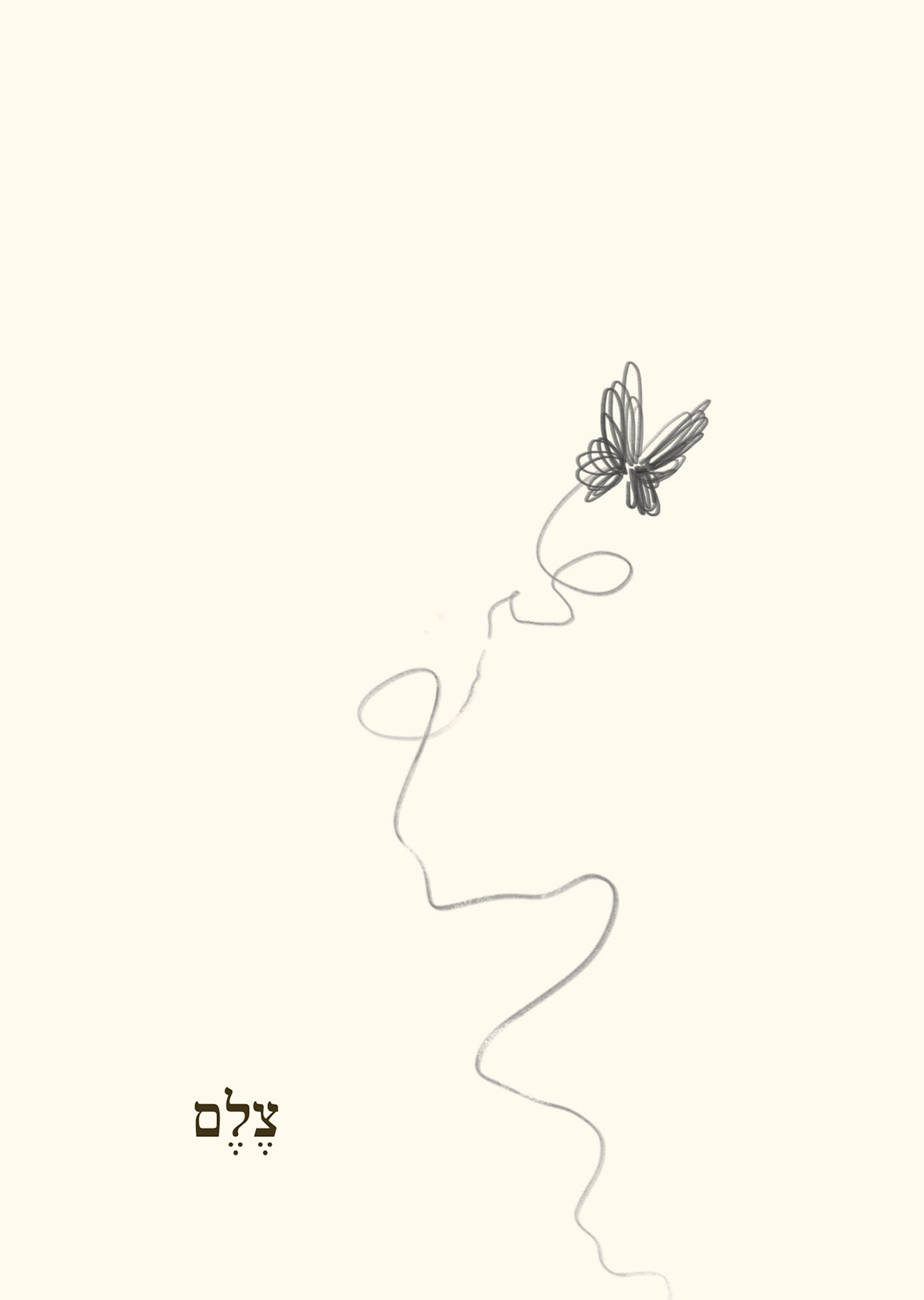
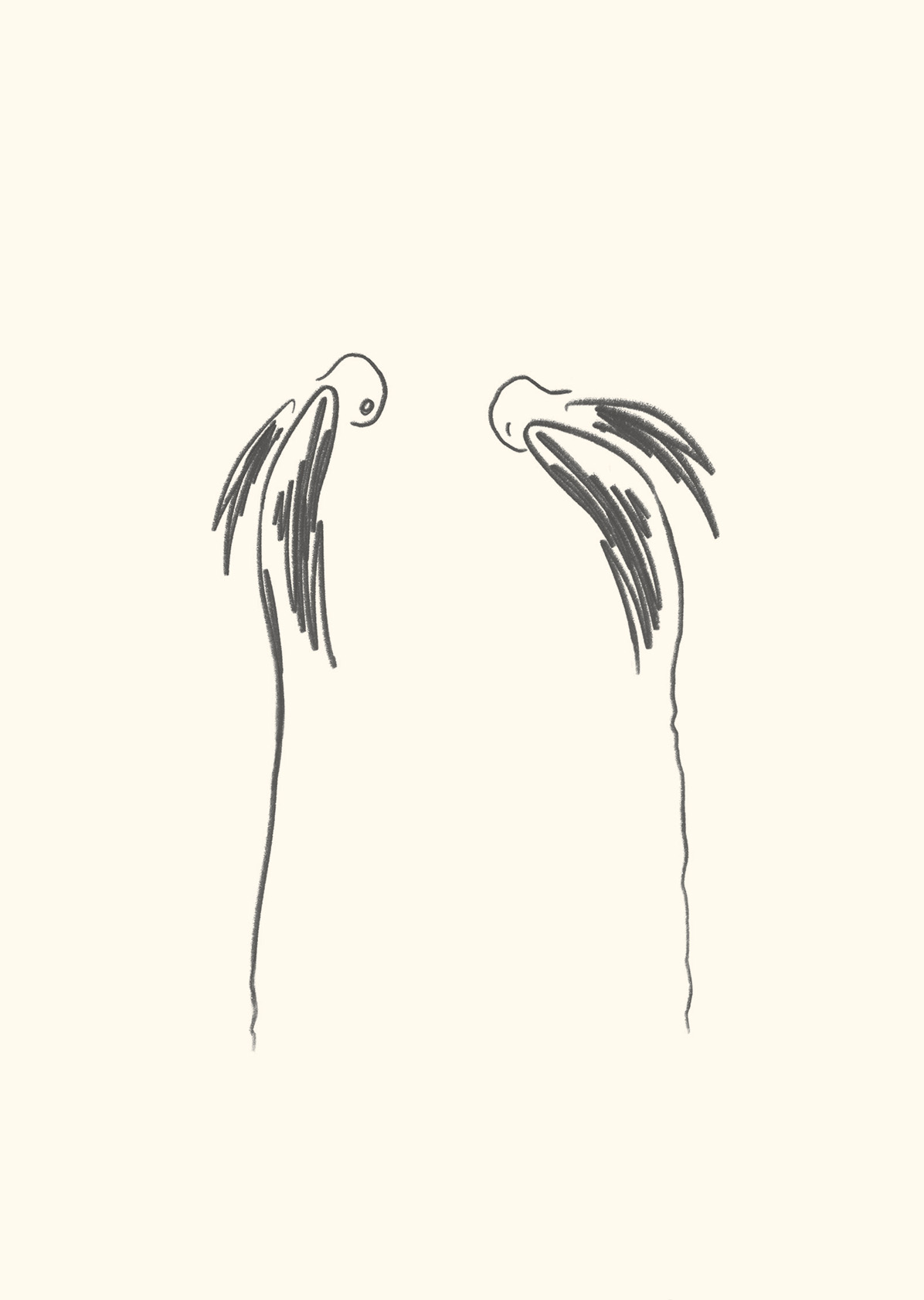
I approached this project with a profound sense of reverence and responsibility. I knew I did not want the illustrations to overshadow the text and create grotesque images, even where the reality described might invite them. Rather than producing a visual counterpart to the events themselves, I sought out small, fleeting moments that could hold the complexity of the experience.
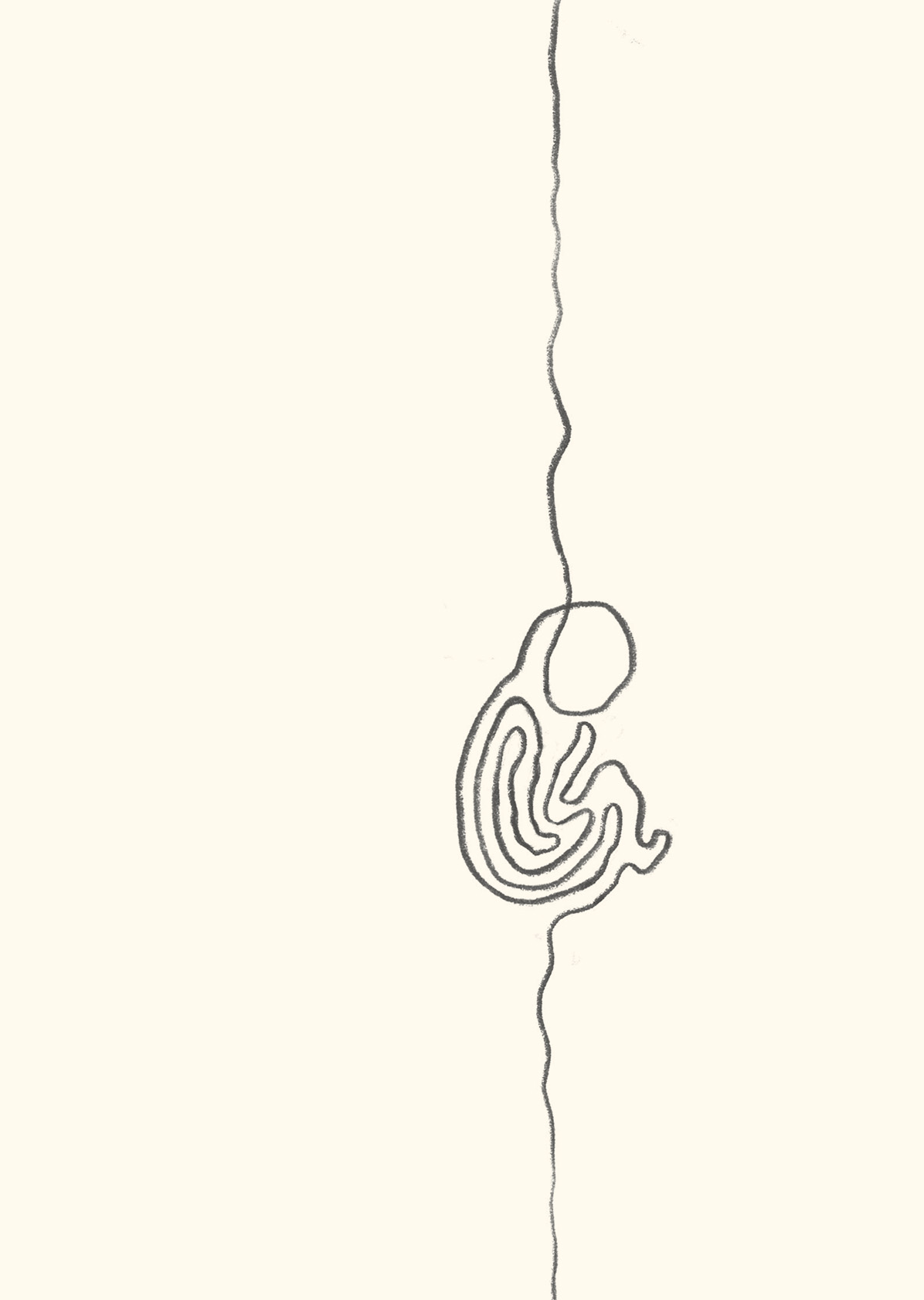
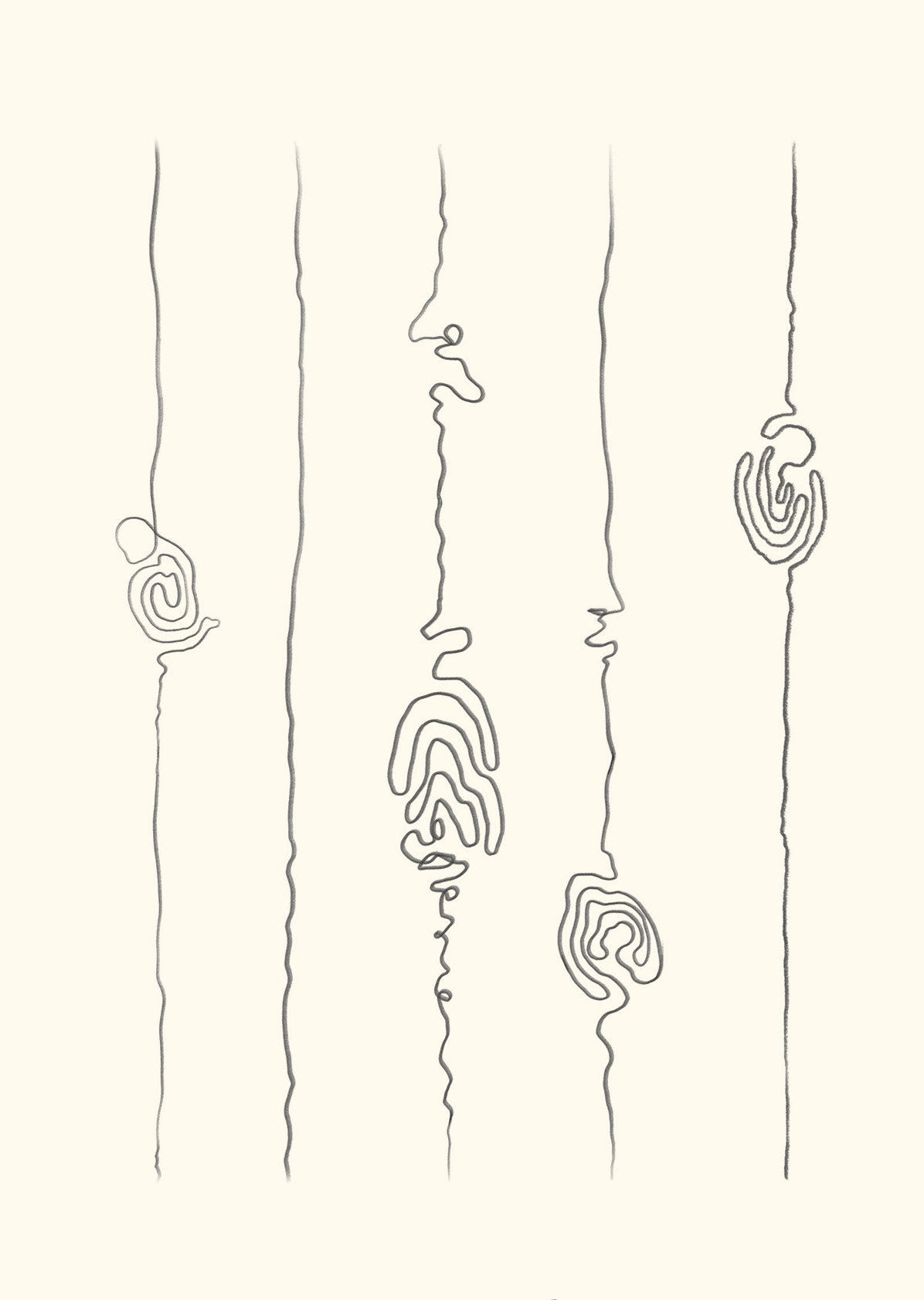
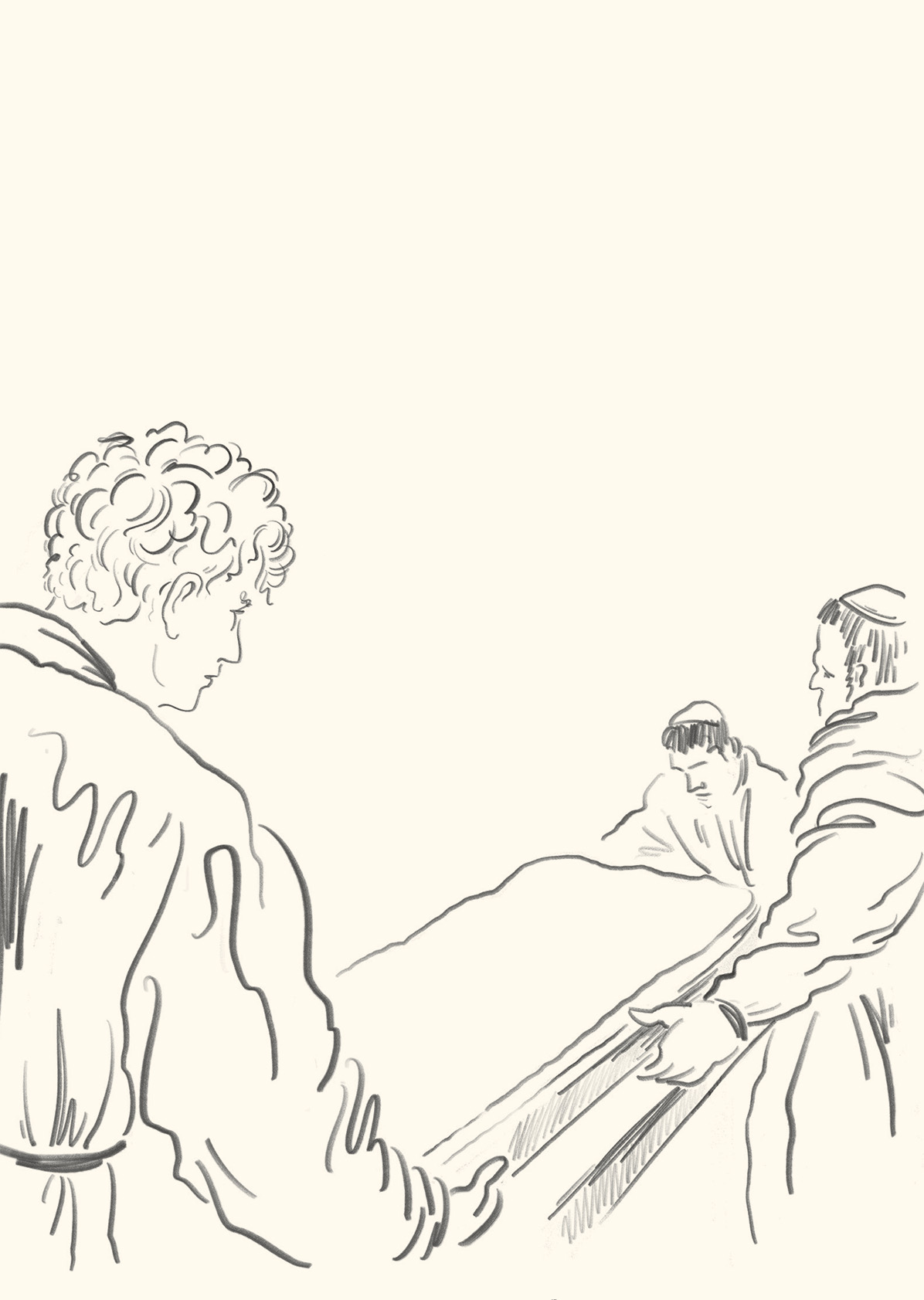
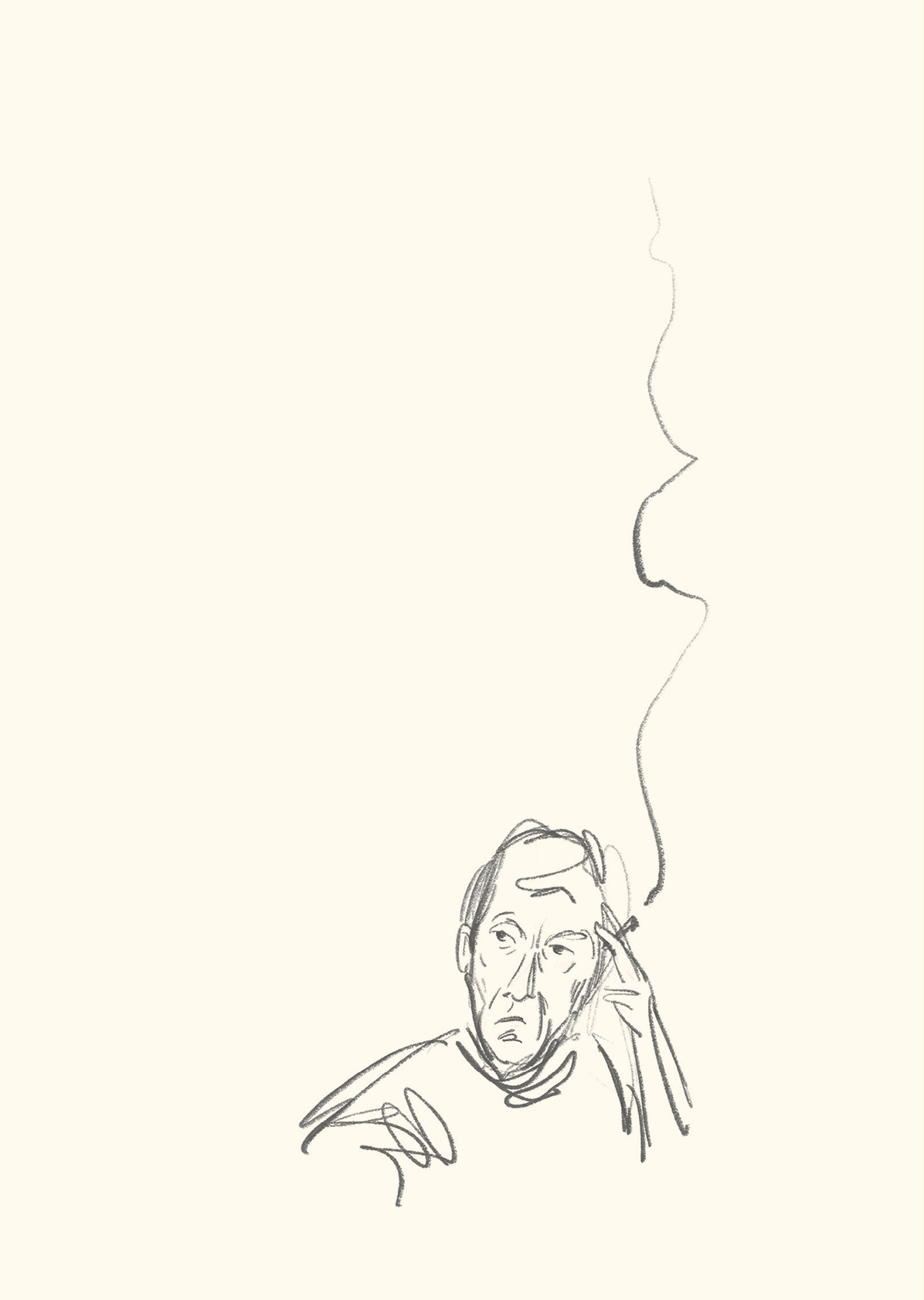
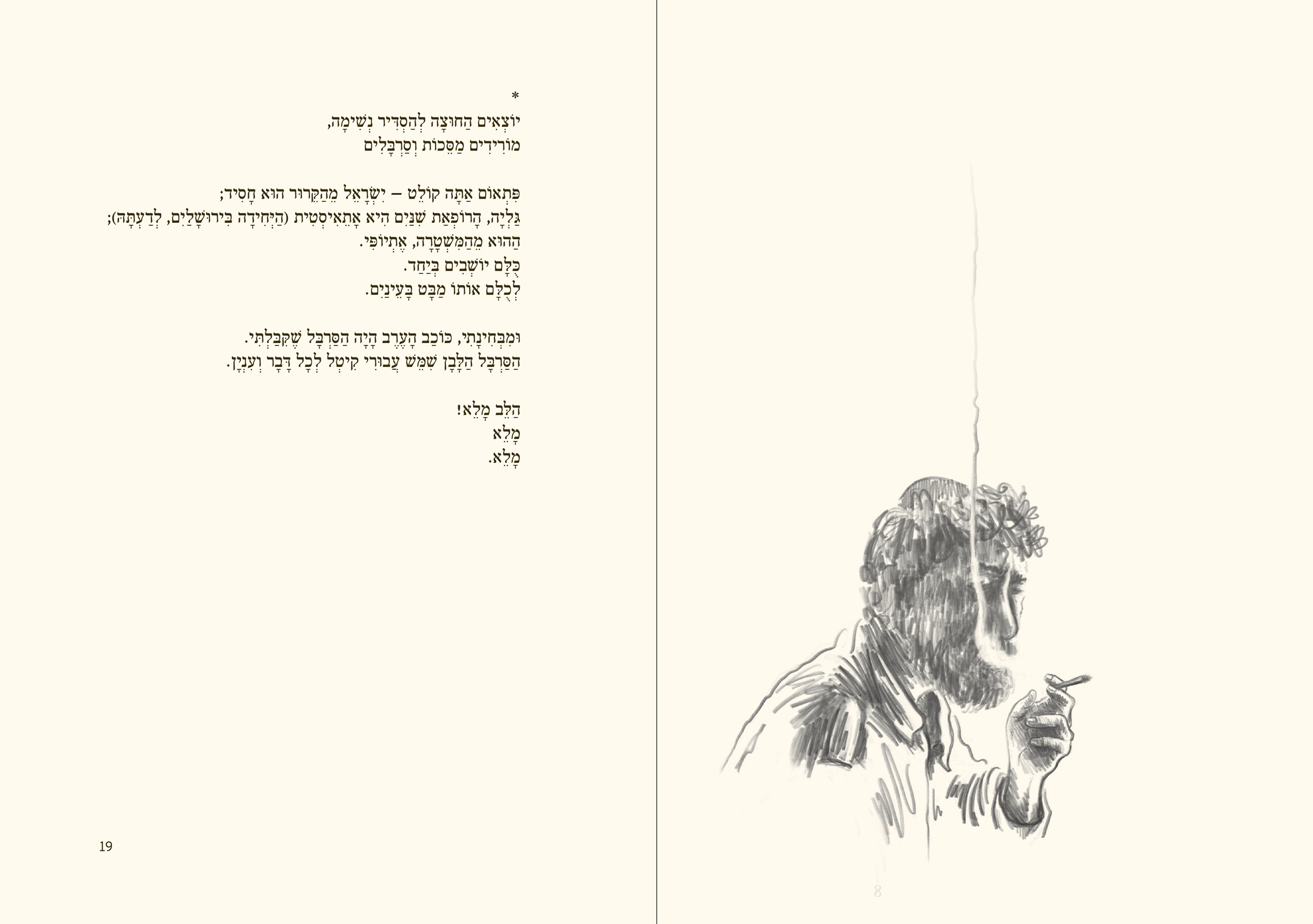
I chose loose, almost scribbled pencil drawings for their particular sensitivity. There is an intimacy to the trembling line, a vulnerability that seems to betray emotion, and an authenticity inherent in pencil drawing that resonates with the immediacy of poems written as events unfolded.
The illustrations move between figurative imagery and abstraction, following something of the poet’s own movement of mind. Rooted in the devastating human reality before him, they touch upon its concrete details, linger over them, and gradually unfold into more spiritual realms. These are not realms detached from the physical world, but ones that emerge through the encounter with it: a spiritual reality glimpsed through the unbearable material presence of the bodies laid out on the examination tables.
In much the same way, the poet moves between the physical reality of bodies, flesh and blood, and reflections on faith, disappointment in God and the possibility of leaning on Him; on human dignity, so terribly violated, yet something he insists on continuing to see and preserve.